Cybersecurity & governancevCISO · Policy · Shadow AI
Govern AI adoption before shadow tools paste client data into public models
Staff are already using ChatGPT, Copilot, and Claude — often with PII, trade secrets, and matter files the firm never approved. A vCISO-led AI governance program names what is allowed, what must stay out of models, and how leadership proves it to partners, regulators, and clients.
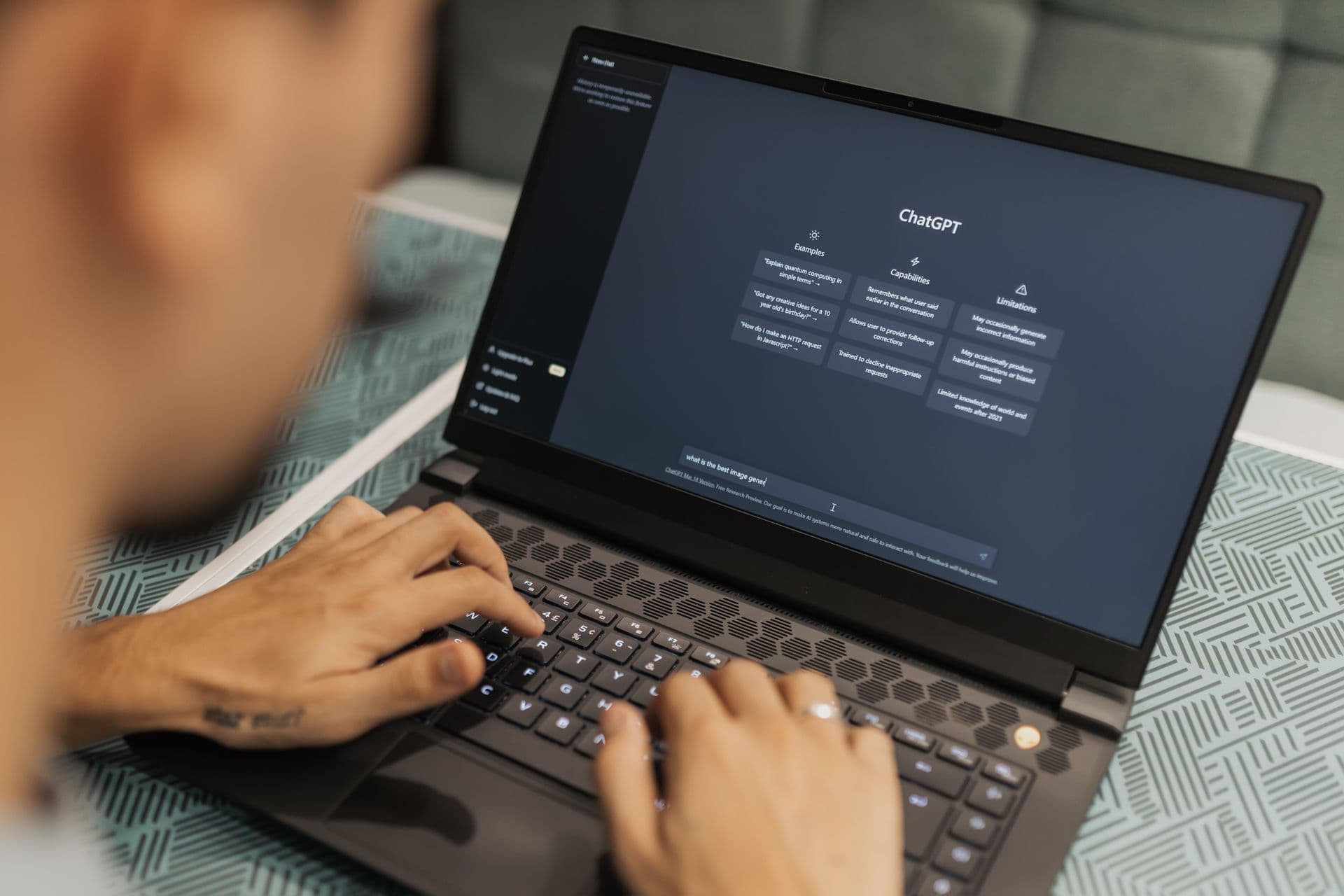
AI adoption moved faster than most policy cycles. Associates paste discovery binders into browser tabs; tax staff upload client PDFs to summarize returns; engineers drop export-controlled snippets into free chat tools. That is shadow AI — and it creates the same leakage paths as a misconfigured file share, without an owner who can answer when a client or assessor asks. Manage IT NY assigns virtual chief information security officer (vCISO) cadence to AI governance: discovery, policy engineering, vendor review, and workforce training — paired with technical controls on our AI Security managed services page when you need DLP, ZDR enclaves, and enterprise deployment.
Part of our Cybersecurity Compliance & vCISO program. Technical AI controls live on our AI Security managed services page.
Technology partners







AI governance is not an IT memo — and blocking every AI site usually fails
Many firms respond to ChatGPT headlines with a blanket ban or a vague “use good judgment” email. Staff still paste on personal phones, home networks, and browser extensions IT never inventoried. Shadow AI is any generative tool used without legal, compliance, or security review — and the risk is not the model itself. It is unclassified data leaving your tenant: client PII, taxpayer identifiers, privileged matter text, and trade secrets with no acceptable use policy (AUP), no data classification, and no named owner when partners ask.
Governance starts with leadership accountability — a vCISO or equivalent who owns AI risk on a calendar, not a one-time IT project. Policy engineering, shadow AI audits, vendor privacy review, and training turn experimentation into a program you can explain. Technical controls (DLP, SSO, enterprise tenants) matter — and live on our AI Security page — but they follow governance; they do not replace it. See our Cybersecurity Compliance & vCISO overview for how vCISO cadence fits your broader compliance program. Cybersecurity Compliance & vCISO overview.
Where vCISO AI governance sits — executive ownership, then policy, then proof
Read the flow with partners and risk committees. The vCISO (or named security leader) connects executives, legal, and IT — not to write every prompt rule, but to own classification, vendor exceptions, audit rhythm, and assessor-facing answers. The governance engine turns that ownership into living policy, shadow AI inventories, and regulatory mapping. Workforce enablement and compliance evidence are the outputs: staff know approved paths, and leadership can produce training dates, vendor reviews, and incident logs when ABA competence, IRS Publication 4557, FTC Safeguards, or CMMC assessors ask.
vCISO executive → governance engine → workforce + compliance
Executive & partner liaison (vCISO cadence)
        │
        ▼
 Governance engine
  AUP · classification · shadow AI audits · vendor privacy
        │
        ├──────────────────────┬──────────────────────┐
        ▼                      ▼                      │
 Workforce enablement    Compliance evidence          │
 (approved AI paths ·     (training · regulatory       │
  training · exceptions)   mapping · audit logs)       │
        │                      │                      │
        └──────── continuous review & updates ────────┘
Technical deployment (DLP, ZDR, enterprise Copilot) sits under the right branch — our AI Security managed services page covers those controls when you are ready to implement. AI Security managed services.
Three pillars of a defensible AI governance program
Shadow AI discovery, policy engineering, and vendor privacy — owned by leadership, not ad hoc IT experiments
Flip any card for what each pillar stops in plain language. These are governance outcomes — the technical controls that enforce them are described on our AI Security page when you need DLP, ZDR, and enterprise tenant deployment.
Shadow AI discovery
Inventory what staff already use — browser tabs, extensions, mobile apps, and OAuth connectors — before policy pretends only approved tools exist.
Policy engineering
Publish AUP, data classification, and exception paths staff can follow — one page for paste rules, not a 40-page PDF nobody opened.
Vendor privacy review
Review AI vendor terms, data retention, training use, and subprocessors before enterprise rollout — not after 200 seats are licensed.
vCISO AI governance responsibilities
AUP, classification, shadow AI audits, vendor risk, and regulatory alignment — as one owned program
Manage IT NY ties each responsibility to a failure mode partners and compliance officers recognize — governance language first, with technical enforcement on our AI Security page when you need it.
Acceptable use policy (AUP)
Stops this failure mode: staff paste client work into consumer AI because nobody published what is allowed
Plain-language rules: which tools are approved, what data classes may enter models, how to request exceptions, and who signs off on plugins — aligned with legal and published in onboarding.
Data classification
Stops this failure mode: every file is treated the same — so privileged matter and public marketing copy share one paste rule
Label sensitivity (public, internal, confidential, regulated) and map labels to AI paths — what copilots may read, what must stay out of external models, and how DLP will enforce when deployed.
Shadow AI audits
Stops this failure mode: leadership answers “we don't use AI” while browsers tell a different story
Periodic discovery of unapproved domains, extensions, and tenant copilot settings — with a register updated when tools change, not a one-time scan before an audit.
Vendor risk & privacy
Stops this failure mode: enterprise AI licensed without reviewing retention, training, or subprocessors
Structured review of AI vendor contracts, data processing terms, ZDR commitments, and subprocessors — documented for WISP, FTC Safeguards, and CMMC vendor oversight expectations.
Regulatory alignment
Stops this failure mode: AI treated as exempt from ABA competence, IRS safeguards, or CUI rules
Map AI use to obligations you already have — ABA Model Rules 1.1 and 1.6, IRS Publication 4557, FTC Safeguards, CMMC media protection — with evidence leadership can walk through.
vCISO cadence
Stops this failure mode: AI policy written once and never reviewed when models or staff change
Named virtual CISO rhythm: risk reviews, policy updates, incident escalation, and board-ready summaries — someone partners can cite when insurers, clients, or assessors call.
Shadow AI
Tools leadership never approved
Personal ChatGPT, Claude, Gemini, or extensions that read mail — outside your governed tenant. Discovery comes before policy; pretending shadow use does not exist makes every other control cosmetic.
AUP
Acceptable use policy
One readable page: approved tools, prohibited pastes, exception process, and incident reporting — signed off by legal and security, not drafted in IT isolation.
Classification
What may enter which model
Sensitivity labels tie matter files, tax exports, and CUI to AI paths. Without classification, DLP and copilot scope have nothing consistent to enforce.
vCISO vs IT
Governance vs operations
IT keeps systems running; vCISO owns AI risk decisions, vendor exceptions, regulatory mapping, and assessor answers. Both are needed — they are not the same calendar.
What good looks like
A short buyer checklist before you trust the AI governance program — walk through it with partners and your vCISO cadence, not as a vendor scorecard.
Owner named?
A vCISO or equivalent on the calendar — someone partners can cite when a client, insurer, or regulator asks who owns AI risk.
AUP published?
Staff-facing acceptable use rules — versioned, in onboarding, and referenced when new tools appear — not a template untouched since download.
Shadow register current?
You can list unapproved tools discovered in the last 90 days and what changed — allow, block, or replace — since the last review.
Vendors reviewed?
Written privacy and retention review for each AI vendor in use — ZDR or no-training terms verified in contract, not marketing copy.
Training dated?
Onboarding and refreshers cover approved vs shadow AI, with dates suitable for a compliance file or partner agenda.
Tied to compliance program?
AI governance links to your broader Cybersecurity Compliance & vCISO rhythm — WISP, FTC Safeguards, ABA competence, or CMMC where applicable.
Four-step AI governance lifecycle
Discovery, policy, vendor review, and training — phased so filing season, audit cycles, and contract deadlines do not all land as one impossible project. Manage IT NY documents rollout realism: discovery and AUP often lead; enterprise vendor rollout and technical DLP follow once leadership owns the inventory honestly. Technical deployment details live on our AI Security page.
Inventory browser use, tenant copilot settings, extensions, and line-of-business exports — where data could enter a model today. Deliver a written map of approved, shadow, and unknown tools before policy claims otherwise.
How AI governance maps to your industry
Law, accounting, and CMMC-regulated work each ask different questions when data enters a model
Manage IT NY translates vCISO AI governance into language each vertical already uses — without promising that AI removes professional judgment. Technical controls for DLP and enterprise deployment are on our AI Security page.
1 / 3
Questions partners ask about AI governance
Straight answers on vCISO vs IT policy, public ChatGPT, productivity without shadow AI, and how governance relates to technical AI Security services.
IT can enforce blocks and deploy copilots — but AI governance needs executive ownership, legal alignment, vendor review, and regulatory mapping IT alone cannot sign. A vCISO (or equivalent cadence) owns risk decisions on a calendar: who approves exceptions, how classification works, what evidence partners produce, and how AI ties to your Cybersecurity Compliance & vCISO program. IT implements; governance decides and documents. Without that split, you often get a policy PDF and shadow AI in parallel.
For most regulated professional firms, the default should be no for client, taxpayer, or CUI content — consumer terms rarely offer zero data retention (ZDR) or firm-owned SSO and audit logs. Some firms allow public tools only for non-sensitive tasks under explicit AUP language; others block consumer destinations while enterprise paths stay open. The vCISO decision is documented: what classes of data are prohibited, what alternatives exist, and how exceptions are approved — not silent tolerance until a leak.
Banning without an alternative drives underground use. Governance plus enablement means approved enterprise tenants (for example Microsoft Copilot or Azure OpenAI under contract), clear AUP, training, and — when ready — DLP and SSO from our AI Security managed services page. Staff get faster paths inside tools IT manages; leadership gets inventory, vendor review, and training dates. Productivity and control are not opposites when the governed path is easier than a personal tab.
This page is vCISO-led governance — policy, classification, shadow AI audits, vendor privacy, regulatory mapping, and leadership cadence. Our AI Security page is the technical managed services deep dive: DLP, ZDR enclaves, shadow blocking, enterprise deployment, and IAM. Most firms need governance decisions first, then technical enforcement. Both pages stand alone; together they describe a full program without merging leadership work into a firewall checklist.